

Novartis
Kisqali (Ribociclib): Targeted Therapy for Advanced Breast Cancer Treatment
Kisqali (Ribociclib): Targeted Therapy for Advanced Breast Cancer Treatment
Couldn't load pickup availability
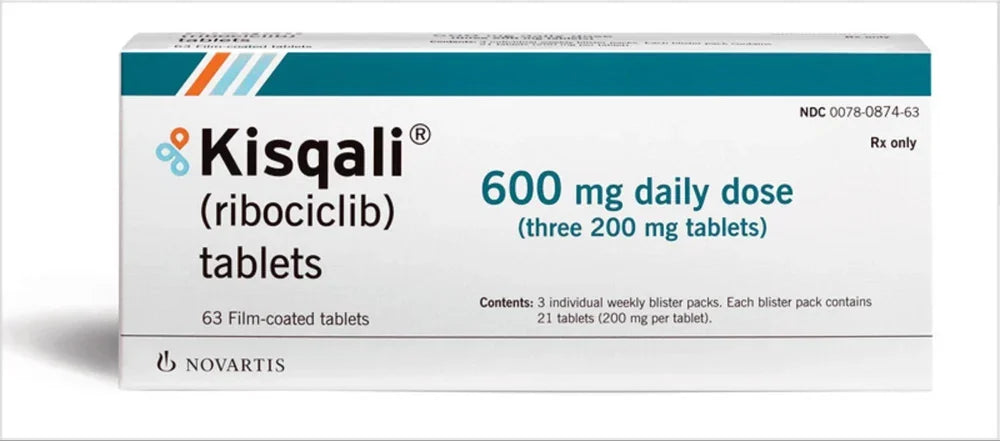
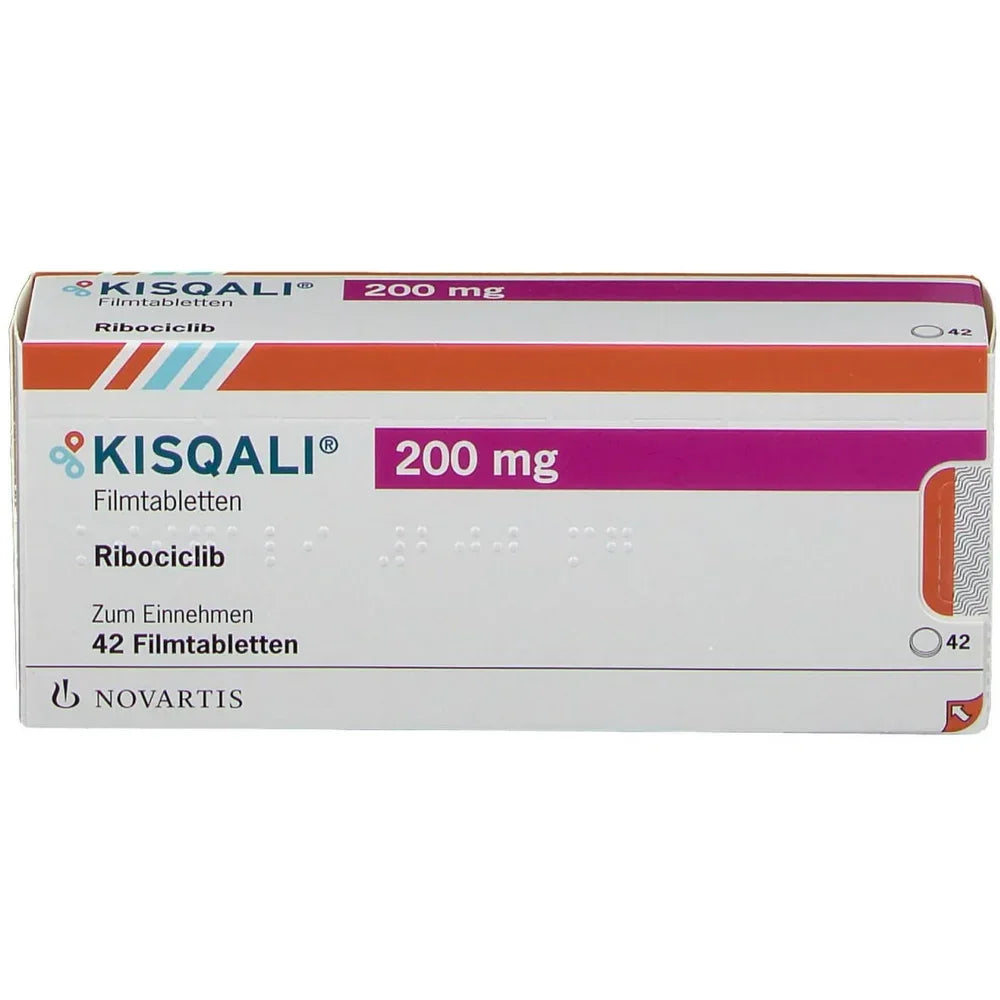
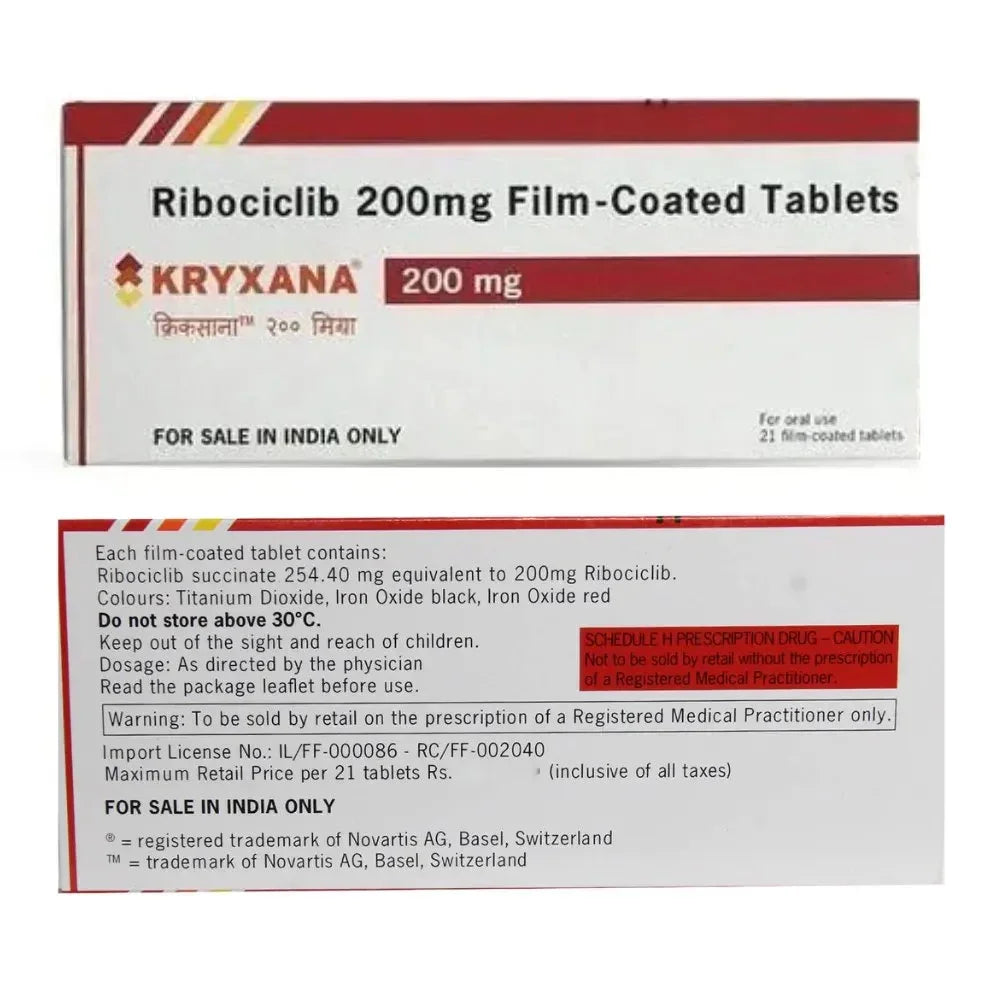
In the evolving landscape of cancer therapy, precision medicine has transformed how hormone receptor–positive breast cancer is managed. Kisqali (ribociclib), also known as ribociclib succinate tablets, is a CDK4/6 inhibitor widely used in the treatment of advanced or metastatic breast cancer.
For patients seeking structured and modern treatment options, this guide explains how Kisqali works, who it is suitable for, and important considerations for long-term therapy access.
What Is Kisqali (Ribociclib)?
Kisqali is an oral targeted therapy classified as a CDK4/6 inhibitor. It works by blocking cyclin-dependent kinases 4 and 6, proteins that promote cancer cell division. By inhibiting these pathways, Kisqali helps slow tumor growth and disease progression.
It is primarily prescribed for:
-
HR-positive, HER2-negative advanced breast cancer
-
Metastatic breast cancer in combination with endocrine therapy
-
Pre- and postmenopausal women (as part of combination treatment plans)
Kisqali is commonly used alongside aromatase inhibitors or fulvestrant to enhance overall treatment effectiveness.
How Kisqali Supports Breast Cancer Management
When integrated into a comprehensive treatment plan, Kisqali may offer:
✔ Slowed cancer progression
✔ Extended progression-free survival
✔ Improved overall survival in certain patient groups
✔ Convenient oral administration
By targeting the cellular cycle directly, Kisqali addresses one of the key drivers of hormone receptor–positive breast cancer growth.
Recommended Usage and Monitoring
-
Taken orally, typically once daily for 21 days, followed by 7 days off per treatment cycle
-
Used in combination with hormone therapy
-
Requires regular monitoring of:
-
Blood cell counts
-
Liver function
-
Heart rhythm (QT interval monitoring)
-
Strict adherence to the prescribed dosing schedule is essential for maintaining treatment effectiveness.
Choosing a Reliable Supply Channel
As a long-term oncology medication, ensuring quality and authenticity is critical. When sourcing Kisqali:
-
Confirm pharmaceutical-grade authenticity
-
Verify proper storage and handling standards
-
Ensure consistent supply to avoid treatment interruptions
For cancer therapy, uninterrupted access is essential to maintaining clinical stability.
Conclusion
Kisqali (ribociclib succinate tablets) is a leading CDK4/6 inhibitor used in the management of advanced hormone receptor–positive breast cancer. Through targeted cell cycle inhibition, it helps slow tumor growth and supports improved long-term outcomes when combined with endocrine therapy.
With proper medical supervision and reliable sourcing, Kisqali remains a key component in modern breast cancer treatment strategies.
Recommended reading:
Afinitor (Everolimus) 5mg – Targeted Therapy for Breast Cancer
Halaven: A Glimmer of Hope from Eisai for Advanced Breast Cancer