
icareshop
Cabozantinib
Cabozantinib
Couldn't load pickup availability
What Is Cabozantinib and the 60 mg Dosage?
Cabozantinib is approved for adults and, in some cases, pediatric patients 12 years and older. The 60 mg once-daily oral dose is the standard recommended starting dose for many indications, including:
- Advanced renal cell carcinoma (RCC), often as monotherapy or in combination with nivolumab
- Hepatocellular carcinoma (HCC) after prior sorafenib treatment
- Differentiated thyroid cancer progressing after VEGFR-targeted therapy
- Previously treated pancreatic neuroendocrine tumors (pNET) and extra-pancreatic neuroendocrine tumors (epNET)
Patients take the 60 mg tablet on an empty stomach—at least 1 hour before or 2 hours after eating—to ensure optimal absorption.
The package insert (also known as prescribing information or FDA label) emphasizes dose modifications for adverse reactions. If intolerable side effects occur, physicians may reduce to 40 mg or 20 mg daily, or interrupt treatment temporarily.
Cabozantinib in NCCN Guidelines
The NCCN (National Comprehensive Cancer Network) Clinical Practice Guidelines recognize cabozantinib as a valuable therapy across multiple cancer types. For kidney cancer, cabozantinib is frequently listed as a preferred or recommended option, including:
- Category 1 or preferred regimens in first-line or subsequent therapy for advanced RCC (often in combination with nivolumab)
- Recommendations for non-clear cell RCC histologies based on clinical trial data
In hepatocellular carcinoma, cabozantinib holds strong positioning as a Category 1 option post-sorafenib in eligible patients (Child-Pugh A). Recent updates also incorporate cabozantinib for neuroendocrine tumors (including GI and lung NETs) after prior therapies like everolimus.
These guideline inclusions are based on robust evidence from pivotal trials demonstrating improved progression-free survival, overall response rates, and in some cases, overall survival benefits compared to comparators.
Key Details from the Package Insert
- Dosage and Administration: 60 mg orally once daily; do not crush tablets
- Warnings and Precautions: Includes risks of hypertension, diarrhea, palmar-plantar erythrodysesthesia syndrome (hand-foot syndrome), hemorrhage, thrombosis, and hepatotoxicity
- Monitoring: Regular blood pressure checks, liver function tests, and prompt management of side effects
- Drug Interactions: Avoid strong CYP3A inducers/inhibitors; caution with MRP2 inhibitors
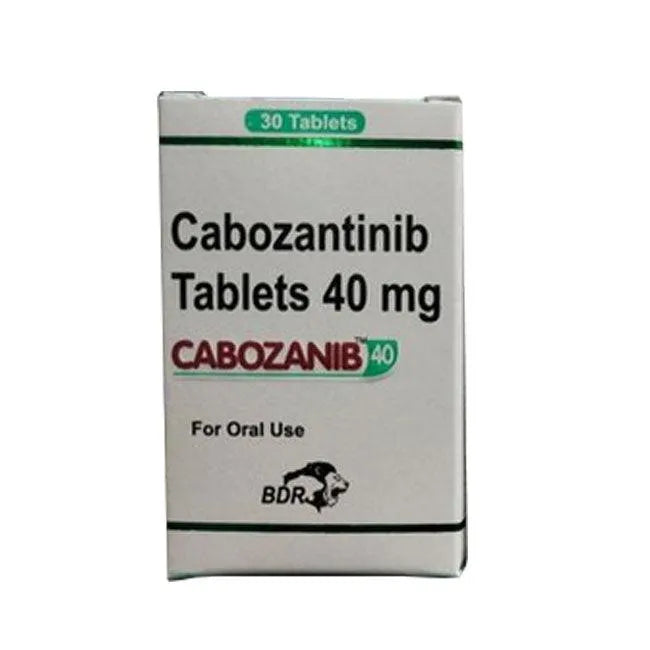
- Formulations: Available in 20 mg, 40 mg, and 60 mg tablets
Always refer to the most current package insert via the FDA website or consult a healthcare provider, as dosing and indications may evolve.
Why Cabozantinib 60 mg Remains a Cornerstone Therapy
With its broad activity against VEGF, MET, and other kinases, cabozantinib 60 mg offers a targeted approach for patients with limited options. Its inclusion in NCCN guidelines and detailed guidance in the package insert support evidence-based prescribing.
If you or a loved one are considering cabozantinib therapy, discuss with an oncologist to review eligibility, potential benefits, and management strategies for side effects. For full prescribing details, visit the official FDA resources or product website.
Note: This article is for informational purposes only and not a substitute for professional medical advice.
capabilities.
Recommended reading:
Afinitor (Everolimus) 5mg – Targeted Therapy for Breast Cancer
Halaven: A Glimmer of Hope from Eisai for Advanced Breast Cancer