
Pfizer
Sirolimus: Prevention of Kidney Transplant Rejection and Post-Kidney Transplant Care Guide
Sirolimus: Prevention of Kidney Transplant Rejection and Post-Kidney Transplant Care Guide
Couldn't load pickup availability
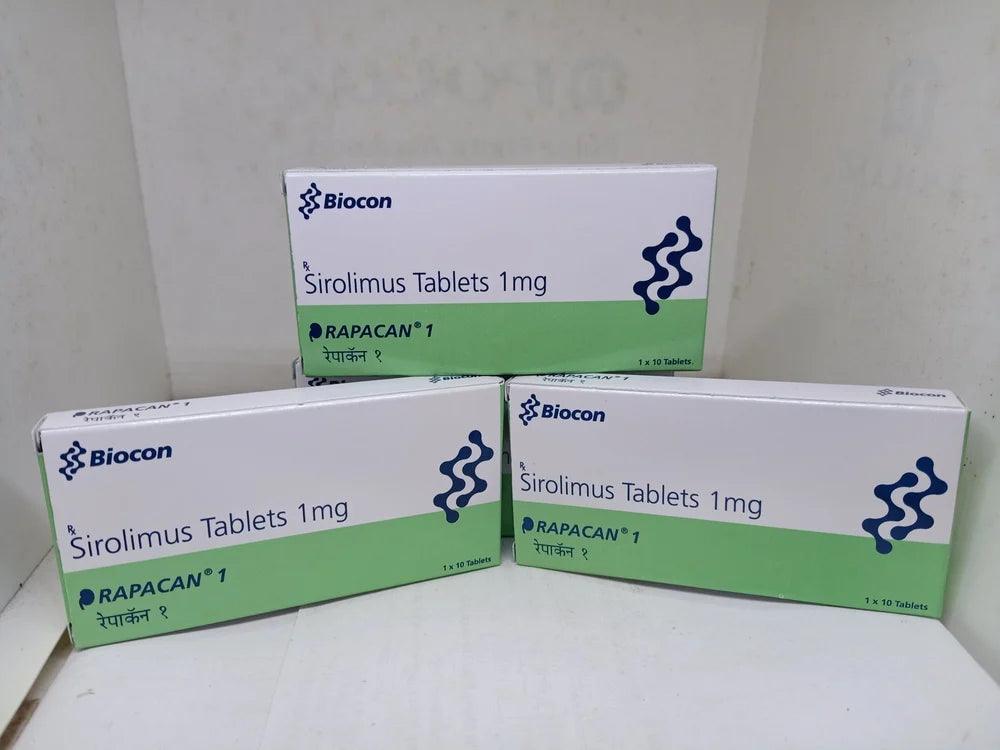
After a kidney transplant, long-term success largely depends on consistent immunosuppressive therapy. Sirolimus (Rapamycin) is one of the commonly used medications in transplant medicine, helping reduce the risk of kidney transplant rejection and supporting long-term graft survival. This guide explains how Sirolimus works, how it is used, and important post-kidney transplant precautions patients should follow.
What Is Sirolimus?
Sirolimus is an mTOR inhibitor immunosuppressant that reduces the activity and proliferation of T-cells, which are responsible for attacking transplanted organs. It is widely used in kidney transplant recipients as part of combination immunosuppressive therapy to maintain stable graft function.
How Sirolimus Helps Prevent Kidney Transplant Rejection
Following transplantation, the immune system may recognize the new kidney as foreign tissue and attempt to destroy it, leading to acute or chronic rejection. Sirolimus helps prevent this process by:
-
Suppressing immune cell activation and proliferation
-
Reducing the likelihood of acute rejection episodes
-
Supporting long-term graft survival
-
Enhancing the effectiveness of combination immunosuppressive regimens
Consistent therapy significantly lowers the risk of kidney transplant rejection, making adherence essential.
Recommended Usage of Sirolimus
-
Typically taken orally once daily, at the same time each day
-
Often used in combination with other immunosuppressants
-
Requires regular blood level monitoring to ensure therapeutic effectiveness and safety
-
Patients should never adjust or discontinue the medication without medical supervision
Maintaining stable blood concentrations is crucial for ongoing rejection prevention.
Important Post-Kidney Transplant Precautions
Successful transplant outcomes depend not only on medication but also on proper long-term care. Key post-kidney transplant precautions include:
1. Strict Medication Adherence
Missing doses or stopping treatment can quickly increase rejection risk.
2. Routine Medical Monitoring
Regular follow-up visits should include:
-
Kidney function tests
-
Drug level monitoring
-
Blood glucose and lipid assessments
3. Infection Prevention
Because immunosuppressants weaken immune defenses:
-
Avoid close contact with infected individuals
-
Maintain proper hygiene and food safety
-
Seek medical attention promptly if fever occurs
4. Healthy Lifestyle Management
-
Maintain a balanced, low-salt diet
-
Control body weight
-
Avoid smoking and excessive alcohol use
These measures support long-term graft stability and overall health.
Choosing Reliable Supply Sources
Since immunosuppressants are lifelong medications, obtaining Sirolimus from reliable pharmaceutical sources ensures:
-
Consistent drug quality
-
Proper storage and handling
-
Stable long-term treatment continuity
Reliable access to medication plays a critical role in preventing transplant complications.
Conclusion
Sirolimus is a key immunosuppressive medication widely used to prevent kidney transplant rejection and maintain long-term graft function. When combined with proper monitoring, adherence to therapy, and careful attention to post-kidney transplant precautions, patients can significantly improve transplant success and long-term health outcomes.
Sirolimus mechanism of action
sirolimus cost
Sirolimus side effects
Sirolimus uses
Sirolimus mechanism of action
Sirolimus side effects
Sirolimus uses
Sirolimus vs tacrolimus
Sirolimus tablet
Sirolimus benefits
Sirolimus price
Sirolimus cream